The Origin of the Boombox
(A Short History)
It all started with the introduction of the Compact Cassette by PHILIPS electronics of Netherland in September 1963. Initially this analog magnetic tape format was intended for dictation purposes only. Later, with the introduction of Chrome tape formulation, Dolby noise reduction and 3-Head cassette recorders the Compact Cassette became a highly popular Hi-Fi recording medium. It's compact size however also led to the development of the portable radio cassette recorder that could be operated by batteries. The World's First Portable Radio Cassette Recorder was introduced in 1966, it was the PHILIPS 22RL962. It allowed radio broadcasts and audio from a microphone to be recorded directly onto cassette tapes. From this on, a long series of battery-operated portable radio recorders were introduced by all major manufacturers.
World's First Cassette Recorder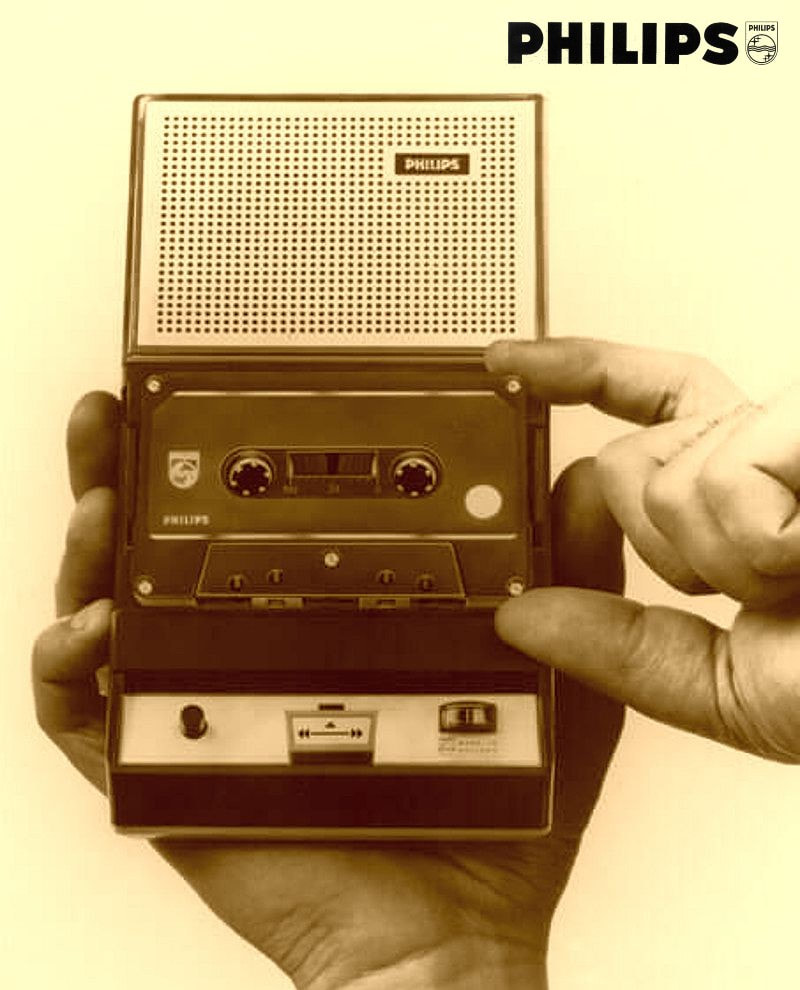
PHILIPS EL 3300 (1963)
|
World's First Portable Radio Cassette Recorder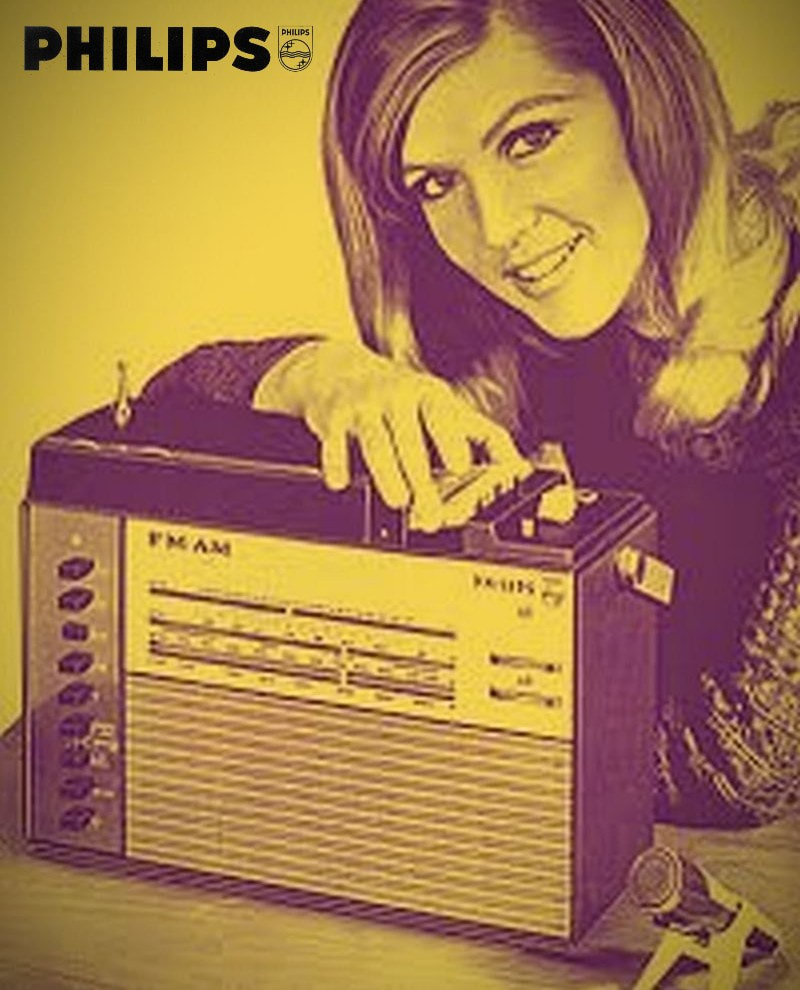
PHILIPS 22RL962 (1966)
|
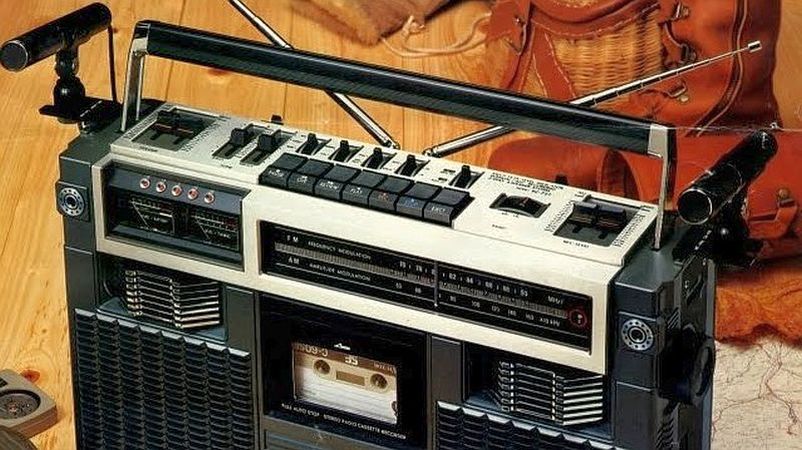
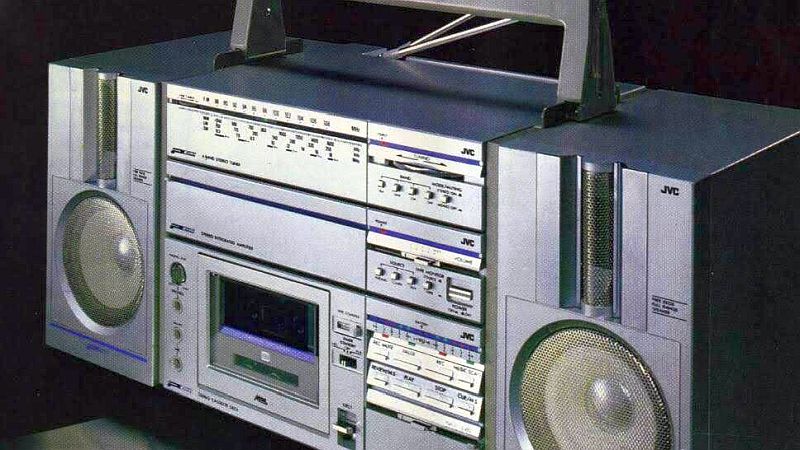
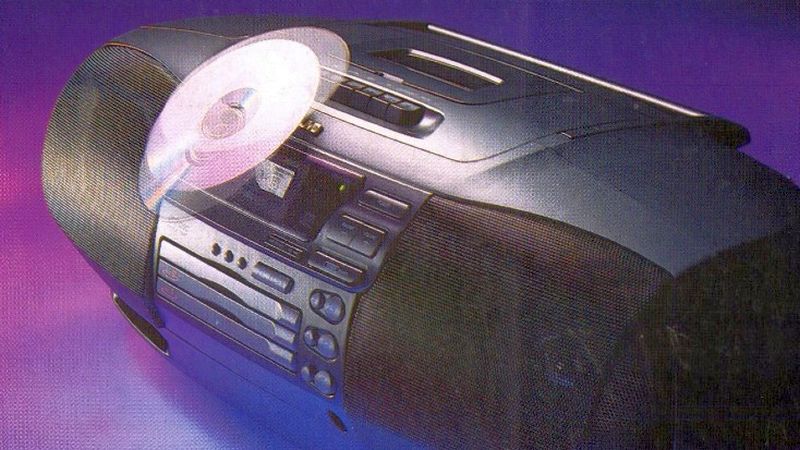
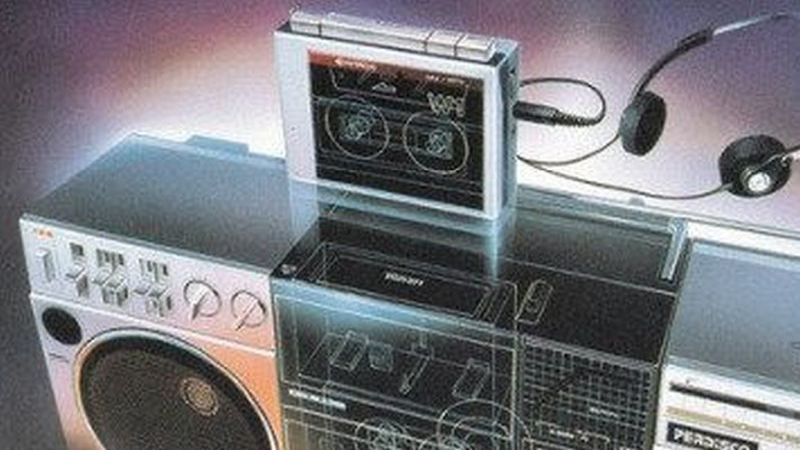
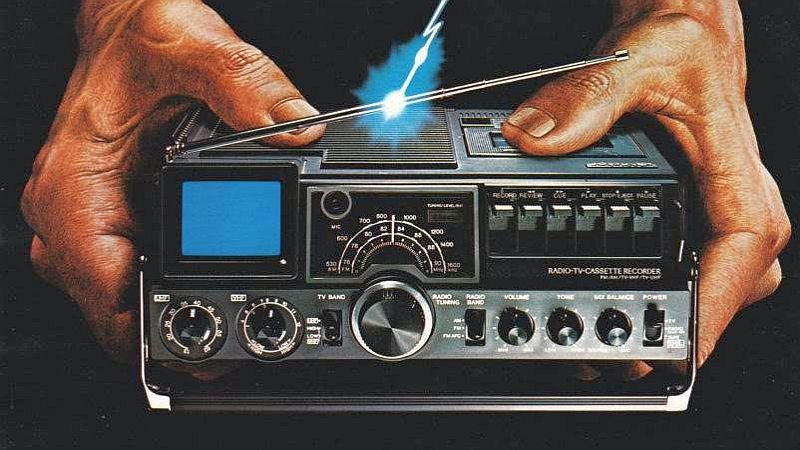
As you can see, initially this type of portable music player (recorder) was not called Boombox, most manufacturers called them Portable Radio Cassette Recorders. During the 70s and 80s they became associated with urban society in the United States with strong cultural associations with New York Hip Hop culture. This is when terms like "ghetto blaster" or "boombox" started to be used. Young people would often go to inner-city parties where a Boombox (Ghetto blaster) was used to provide (often) loud music. With the rising of Japanese electronics companies starting with the 70s the dominant models of Boomboxes were made in Japan with some competing models built in Europe by PHILIPS, GRUNDIG and others. This led to a great popularity across the Globe ... from Tokyo to London and New York.